

Visiting Malta? Make the most of your trip with our handpicked list of 25 of the best things to do in Malta, Gozo and Comino.
Small in size but big on experiences, Malta is jam-packed with sweeping scenery, epic historic sites and a vibrant culture all its own.
Set in the heart of the Mediterranean, this island nation – the tenth smallest in the world – has been shaped over thousands of years by human conquest and the forces of nature.
The result is a beautiful limestone archipelago overlaid with a complex, often turbulent story of settlement, siege and occupation, and a unique fusion of cultural influences from right around the Mediterranean, North Africa, even Britain.
Across Malta’s three islands, you’ll find ancient World Heritage temples, fortified medieval hill towns, baroque cities and charming fishing villages, alongside spectacular coastal clifftop walks, stunning bays perfect for swimming, and some of the best diving in the region.
Many people visit Malta for the sun and the sea, but there’s much more to this tiny country. Malta offers a little of everything in one compact, unforgettable destination.
But where to start? In this post, we’ve handpicked 25 of the best things to do in Malta, as well as its sister islands of Gozo and Comino, to help you get the most out of your trip.
Malta Snapshot
Location: Malta is tucked between Sicily and northern Africa in the Mediterranean Sea.
Profile: There are three islands in the Maltese archipelago: Malta, Gozo and Comino. The largest island, Malta, is home to the historic capital Valletta, the international airport, and popular resort towns like St Julian’s, Buġibba and Sliema. The island of Gozo offers a quieter vibe, a slower pace and a more local ambience. Comino, the small rocky islet wedged between Malta and Gozo, is renowned for its famous Blue Lagoon and is mostly visited on day trips by boat.
Language: Maltese is the most widely spoken language on the islands, however English is also spoken by many.
Currency: Euros (€ EUR)
Voltage: In Malta, the voltage is 230V and frequency 50Hz. You’ll need a Type G plug.
What’s in this post?
25 of the Best Things To Do In Malta
1. Explore the grand World Heritage city of Valletta
2. Marvel at the Baroque splendour of St John’s Co-Cathedral
3. Uncover the tumultuous tales of the Three Cities of Malta
4. Descend into the prehistoric past at Ħal Saflieni Hypogeum
5. Ponder Malta’s ancient temple builders at Ħal Tarxien Prehistoric Complex
6. Enjoy a harbourside lunch in Marsaskala or Marsaxlokk
7. Explore a time capsule of extinct animals at Ghar Dalam Cave
8. Pay homage at nature’s cathedral, the Blue Grotto
9. Stand among the world’s oldest free-standing monuments at Ħaġar Qim and Mnajdra
10. Watch the sun set from Malta’s highest point at Dingli Cliffs
11. Venture into a subterranean necropolis at St Paul’s Catacombs
12. Glimpse the past lives of the Roman elite at Domus Romana
13. Immerse in the tranquillity of Mdina, the ‘Silent City’
14. Sample Maltese wine at a vineyard or wine bar
15. Mull over the mysterious Clapham Junction Cart Ruts
16. Wonder at the miraculous Mosta Rotunda
17. Take in the views from the Top of the World
18. Get off the beaten track at Ta’ Ħarġrat Temples and Skorba Prehistoric Site
19. Swim, sunbathe or hike at Comino island
20. Walk the ramparts of an ancient hilltop fortress at Cittadella
21. Discover the legend of the giant-built temples at Ggantija
22. Witness the natural drama of Dwejra Bay, Blue Hole & the Inland Sea
23. Wind down the day at the Sanap Cliffs
24. Peer into a canyon carved by the sea at Wied il-Għasri
25. Explore Malta’s underwater world on a scuba dive
Useful Travel Resources for Malta
This post contains affiliate links. If you choose to buy through these links we may earn a small commission at no extra cost to you, which helps us to keep Two For The World running. Many thanks for your support!
25 of the Best Things To Do in Malta
1. Explore the grand World Heritage city of Valletta
Whether it’s your first or fifth time visiting Malta, exploring the stately capital of Valletta is a must, and it deserves at least a day of your time.
Valletta is compact, but it’s an absolute trove of historic and cultural treasures packed into a grid of narrow streets edged with sublime Baroque architecture.
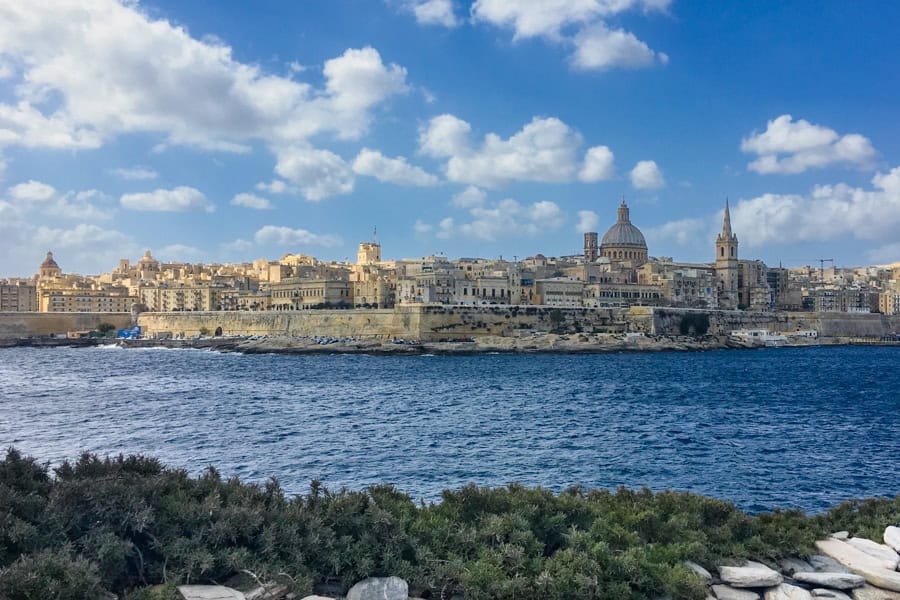
My own first glimpse of this World Heritage city across the water from Sliema is a memory that still thrills: a golden-stone skyline dominated by the dome of Our Lady of Mount Carmel Basilica, and the commanding fortifications of the historic city walls.
Valletta was founded by the Knights Order of St John following their victory in the Great Siege of Malta by the Ottoman Empire in 1565. The knights took no chances with the city’s future – the fortifications are many metres thick in parts.
Wandering Valletta’s atmospheric streets, don’t miss highlights like the opulent St John’s Co-Cathedral, the recently restored Grand Master’s Palace on St George’s Square, and the National Museum of Art (MUZA), housed in an elegant 16th century mansion.
Top Tip: From St George’s Square, cross into Republic Square and the portico of the 18th century National Library for a beautiful archways scene. Continue on down the laneway to the end where you’ll find Ellul, a little wine bar perfect for an ambient pause with a glass of Maltese vino.
Peek into the exquisite theatre at Teatru Manoel, one of Europe’s oldest (go self-guided or join one of the theatrical tours that run each Tuesday). Take a break in the Upper Barrakka Gardens and enjoy panoramic views from the highest point of the city walls.
The National Museum of Archaeology is worth an hour or two for some context ahead of a visit to Malta’s ancient sites. Military history buffs can slake their thirst at the National War Museum at Fort St Elmo and the rock-carved chambers and tunnels of the Lascaris War Rooms, secret WWII headquarters of the Allies in the Med. Canons are fired from the Saluting Battery above the war rooms at midday and 4pm.
This is just a taster of the many things you can see and do in Valletta and you could easily spend a couple of days exploring at your leisure.
However, there are also a range of guided walking tours that can help orient you to the city, and give you a deeper sense of its past and present before you tackle more of it on your own – this is something we always try and do when we arrive in a new place.
This highly rated, small group guided walking tour introduces Valletta’s beautiful architecture and key highlights, as well as some of its less visited corners, over 2.5 hours.
2. Marvel at the Baroque splendour of St John’s Co-Cathedral
Valletta is packed with beautiful Baroque buildings and stand-out sites, but this is one of the most beautiful places in Malta and it deserves an entry all its own. If you go inside no other building in the World Heritage capital, we recommend going into St John’s Co-Cathedral.
Don’t be fooled by the austere façade here. Words abandoned us the moment we entered the dazzling expanse of this 16th century house of worship. This is the religious heart of the Knight’s Order of St John (also known as the Knights Hospitaller) and it’s a standard bearer for high Baroque décor: a kaleidoscope of gold leaf, fresco and marble mosaic.
St John’s shares its bishop’s seat with St Paul’s Cathedral in Mdina, hence the ‘Co’ in Co-Cathedral.
Completed in 1577, St John’s was redecorated during the 17th century with the help of art world heavyweights like Caravaggio, who was on the run from the Italian authorities when he rocked up in Malta. He painted two works for the Knights, including his largest ever altarpiece, The Beheading of Saint John the Baptist, before his notoriety caught up with him and he was forced to flee once more.
Most guided walking tours of Valletta will stop outside St John’s Co-Cathedral but if you’re keen on extending your tour into the church, check out this 3-hour guided walking tour (the church entry fee is extra).
Alternatively, this exclusive, 1.5 hour guided tour of the cathedral includes front row seats to an ambient concert within.
Know before you go: St John’s is open Monday to Saturday from 9am to 4.45pm (last entry 4.15pm). Adult tickets are €15 and you can climb the belfry for €5. If you’re going self-guided, try and arrive before 10.30am to avoid the crowds.

3. Uncover the tumultuous tales of the Three Cities of Malta
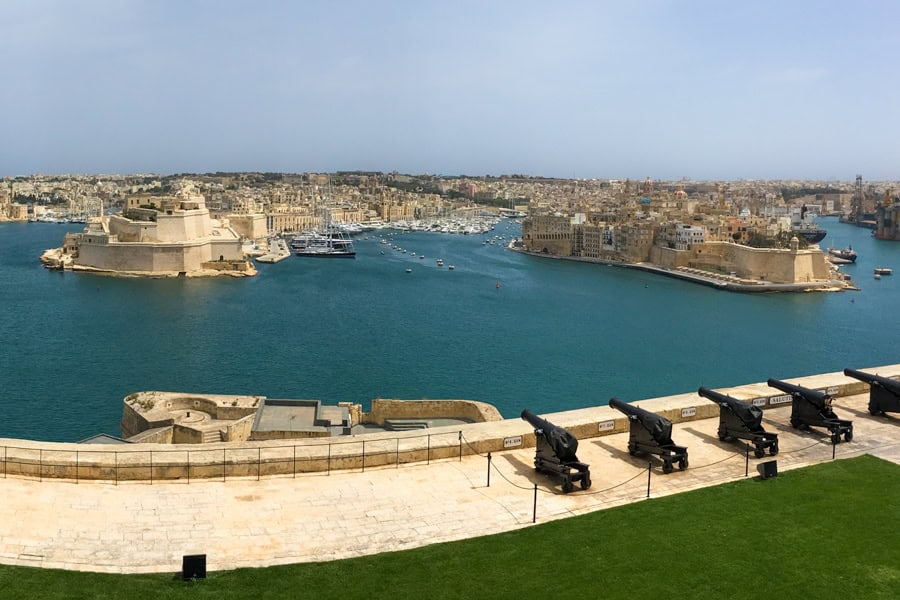
Looking out from the Upper Barrakka Gardens in Valletta, the fortified peninsulas of Vittoriosa and Senglea jut out into the waters of the Grand Harbour opposite like great stone ships. At their head lies Cospicua and together, this historic trio of towns form the Three Cities of Malta, a worthy half-day or full-day trip from Valletta.
The story of the Three Cities is writ large in the solid limestone walls that skirt them: these towns have been key players in Malta’s tumultuous journey through centuries past, particularly during the Great Siege of 1565.
Today, you’ll find impressive fortifications along with historic buildings, beautifully decorated churches, weaving laneways, and epic panoramas of the Valletta skyline across the water.
Birgu, renamed Vittoriosa after the Great Siege, was the Knights of St John’s first base in 1530. The main site here is Fort St Angelo, with sweeping harbour views and a rich military history. It’s also worth visiting the Inquisitor’s Palace with its prisoner carvings, as well as the Baroque-style St Lawrence Church.
Senglea (also called Isla), the smallest of the Three Cities, was heavily bombed in WWII and later rebuilt. Head to La Guardiola for views across the Grand Harbour.
In nearby Cospicua (also known as Bormla), the old dockyards have been converted into a lovely marina, while the Church of Our Lady of the Immaculate Conception is a local landmark.
Joining a guided tour is a great way to get to know the Three Cities. This popular 4-hour guided tour explores their key fortifications, churches, piazzas and buildings, and also includes a boat trip aboard a traditional Maltese frejgatina boat.
Getting there: You can drive or bus to the Three Cities but a ferry across the Grand Harbour is the nicest way to get there. Ferries travel between Valletta (near the Quarry Wharf Roundabout) and Cospicua regularly throughout the day in good weather, with a reduced timetable on Sundays, public holidays and during winter.
4. Descend into the prehistoric past at Ħal Saflieni Hypogeum
Just fifteen minutes to the south of Valletta is one of the world’s most extraordinary and best preserved prehistoric sites, the Ħal Saflieni Hypogeum.
The Hypogeum is one of the highlights of Malta and a UNESCO World Heritage site: a vast subterranean necropolis of tunnels, alcoves and chambers carved out of the limestone by neolithic people some 6,000 years ago.
Over time, the structure was expanded and excavated ever deeper, eventually spanning three levels and serving as a place of worship and burial for the next 1,500 years.
What makes the Hypogeum even more special is the condition in which it was found. Sealed off for millennia, the structure survived the wear and tear that Malta’s other temples experienced. The limestone is undamaged, ceilings and carvings are intact; there are even prehistoric paintings still visible in places.
What this means is that conservation and protection of the site is critical and daily visitor numbers are capped, with timed entry and only 10 visitors allowed into the Hypogeum at once.
Know before you go: Tickets for the Hypogeum can sell out months in advance so if you’re keen to visit, we recommend you book tickets as far in advance as possible. Adult entry is €35. No pics can be taken inside.
Getting there: If you’re coming by bus from Valletta, travel to Ipojew bus stop in Paola and follow the signs; it’s a couple minutes’ walk from the bus stop to the Hypogeum. If you’re driving, look for street parking in the surrounding area – give yourself plenty of time to ensure you’re at the Hypogeum for your allotted entry time.
Top tip: Lastminute tickets for the Hypogeum are held aside for the 12pm and 4pm sessions each day, but they can only be purchased the day before – visit the Heritage Malta website for details on how to nab these.
5. Ponder Malta’s ancient temple builders at Ħal Tarxien Prehistoric Complex
Just a 10-minute walk from the Ħal Safliena Hypogeum is another extraordinary reminder of Malta’s unique ancient heritage: the Ħal Tarxien Prehistoric Complex.
This large temple complex is one of six sites across the islands of Malta and Gozo that together make up the Megalithic Temples of Malta World Heritage Site, among the world’s oldest free-standing stone buildings.
Ħal Tarxien is also the nearest temple site to Valletta, so if you’re staying nearby and only have time for a couple of ancient sites while you’re visiting Malta, consider Tarxien and the Hypogeum for your itinerary.
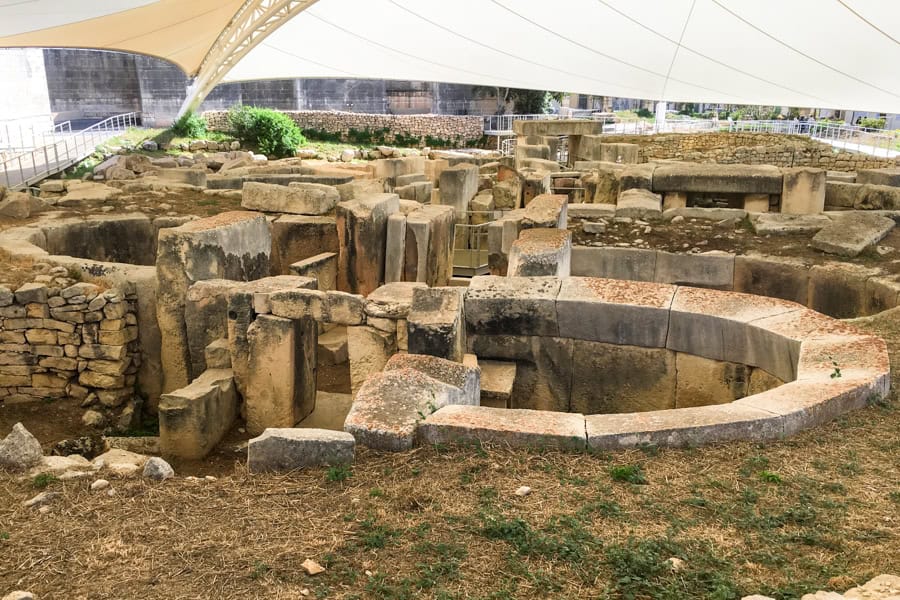
The Tarxien complex is made up of four megalithic structures built more than 5,000 years ago. It’s believed to have evolved from a site for animal sacrifice to a cremations cemetery. There are huge stone portals, curving chambers and hearths.
For us though, the highlights here are the beautiful bas-relief sculptures of spirals and domestic animals. Keep an eye out as well for the skirt-wearing bottom third of a once-huge statue.
Know before you go: Ħal Tarxien costs €6 for adults and is open from 10am to 6pm every day (check times if you’re visiting during low season).
Getting there: The complex is in Tarxien, not far from the bus interchange in Paola. Take a bus to the Neolitici stop and walk a couple of minutes. Free parking is available on the streets around Ħal Tarxien. If you’re also visiting the Hypogeum, consider parking here for your visit to both sites as they’re just a 10-minute walk apart.
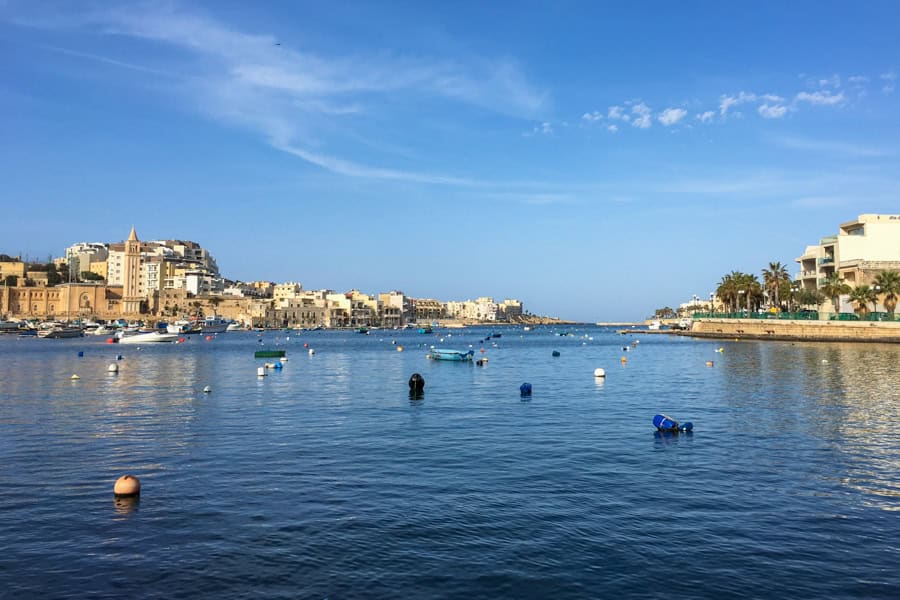
6. Enjoy a harbourside lunch in Marsaskala or Marsaxlokk
If you’re keen to escape the stone walls and urban vibes of Valletta, make your way to either Marsaskala or Marsaxlokk on Malta’s south-east coast.
Both towns skirt pretty harbours dotted with brightly painted fishing boats called luzzus and both are lovely for whiling away a couple of hours with a wander and lunch at one of the harbourside eateries.
If you’re after a seafood lunch, head to Marsaxlokk. It’s perhaps the more touristy of the two but as a traditional fishing village, you’ll find some great seafood restaurants here.
Marsaxlokk is also renowned for its fish market, which bustles on Sundays with locals and tourists seeking fresh seafood as well as tasty local produce and souvenirs. The market runs from 8am to 3pm but aim to get there early if you want to avoid the bulk of the crowds.
A local site also worth checking out is St Peter’s Pool, a natural inlet surrounded by flat rocks – great for a dip on a hot day. Just note that parking in the area can be a bit tricky, especially on Sundays and in peak season. Another option for visiting the pool is this well-rated one hour traditional boat tour from Marsaxlokk.
En route to St Peter’s Pool, you’ll pass some of the local sites like Fort Delimara, a polygonal fort built into the cliff face, the Il-Kalanka Lighthouse, and historic salt pans.
Getting there: Marsaskala and Marsaxlokk are both serviced by buses from Valletta, including buses 91 and 93 to Marsaskala and buses 81 and 85 to Marsaxlokk. If you’re driving, there’s free street parking all along the harbourfront at Marsaskala. In Marsaxlokk, there’s a free parking area on the north side of the harbour on Triq il-Wilga.
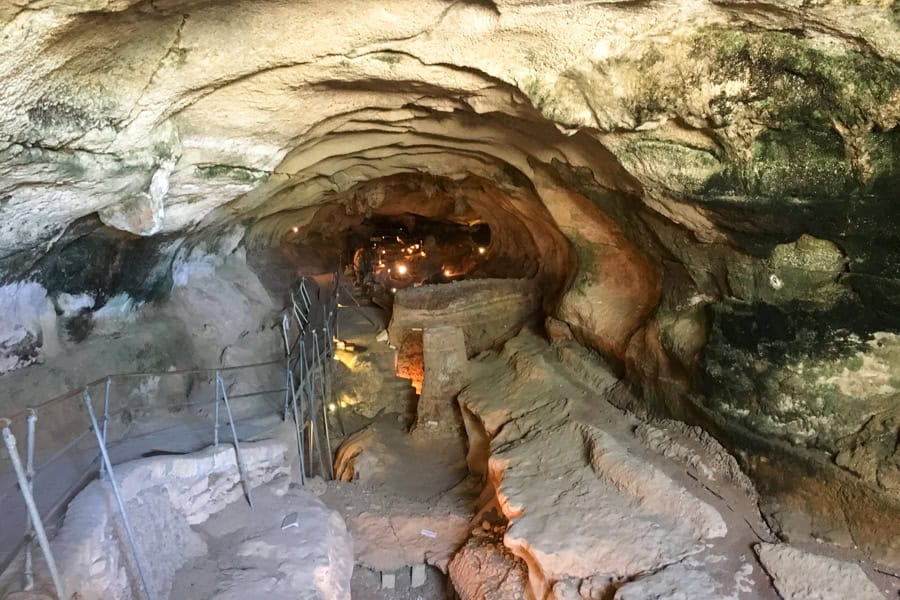
7. Explore a time capsule of extinct animals at Għar Dalam Cave
Over the course of millions of years, river seepage and ice worked to sculpt Malta’s most ancient site: Għar Dalam Cave. This may be one of the more unusual things to do in Malta, but it’s an intriguing insight into the archipelago’s distant past.
In Maltese, Għar Dalam means ‘Cave of Darkness’, and within its rocky layers, archaeologists have found evidence of wildlife that last wandered the land here many thousands of years ago, like extinct dwarf elephants and hippopotamus, bear and deer, giant turtles and dormice. Pottery sherds some 7,400 years old have also provided the earliest evidence of human settlement on the island.
You can wander about a third of the 144-metre-long cave, then admire the vast collection of bones excavated in the late 1800s and displayed in the museum since the 1930s. There’s a newer museum as well with a touch more educational insight, but we were particularly drawn to the Victorian bone room with its row after row of ancient knuckles, knees and teeth.
Know before you go: Għar Dalam Cave is open from 9am to 5pm, Tuesday to Sunday (check ahead out of peak season). Entry is €6.50, which can be booked online and includes the nearby Borġ in-Nadur, a prehistoric complex with a megalithic temple and remnants of a fortified Bronze Age village. It’s not as grand as the World Heritage complexes, but still worth a quick visit if you have time.
Getting there: Public buses 80, 82 and 85 run from Valletta to the Dalam bus stop just near the entrance to Għar Dalam Cave. If coming by car, there’s free parking at the site.
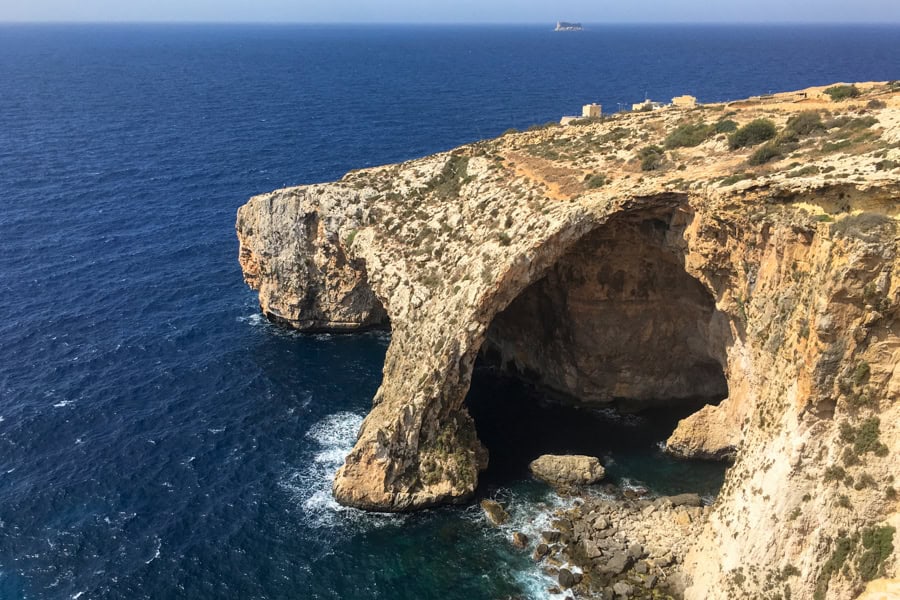
8. Pay homage at nature’s cathedral, the Blue Grotto
Malta’s rugged coastline is extensively pitted with caves and eye-catching natural sculptures, like the famed Blue Grotto on the south coast.
The Blue Grotto is a system of sea caverns dominated by a vast, cathedral-like buttress and arch. It’s named after its Capri counterpart for the deep, crystalline water here, which turns iridescent blue when the sun catches it just right (sunny mornings are best).
There’s an excellent viewpoint (Google Maps) on the clifftop overlooking the site. Park up in the free parking area nearby and take the path down to the observation area.
The best way to get up close to the Blue Grotto though, is aboard a traditional boat called a luzzu from the nearby fishing village of Wied iz-Zurrieq. Just turn up and board a boat for a half-hour trip for around €10.
Alternatively, if you’re after a fun and active group experience, this full-day Blue Grotto trip departs Sliema most Saturdays and includes transport to the Blue Grotto, a short hike to one of the 17th century watchtowers that dot the coast, and a boat trip to the grotto.
There are also tours to the Blue Grotto that include stops at other highlights in the area, like this well-rated half-day guided tour that also visits the World Heritage temples of Ħaġar Qim and the historic Limestone Heritage Park and Gardens.
Another option is this half-day guided experience from Valletta, which visits Marsaxlokk and the traditional village of Qrendi as well as the Blue Grotto. These tours also have the option of adding a boat tour to the grotto.
Getting there: Take bus route 74 from Valletta to the Panorama bus stop near the Blue Grotto lookout. From the bus stop, it’s a 15 to 20 minute walk to the boats at Wied iz-Zurrieq. If you’re driving, there are a couple of parking areas in the village, though be aware it can get very busy in peak season.
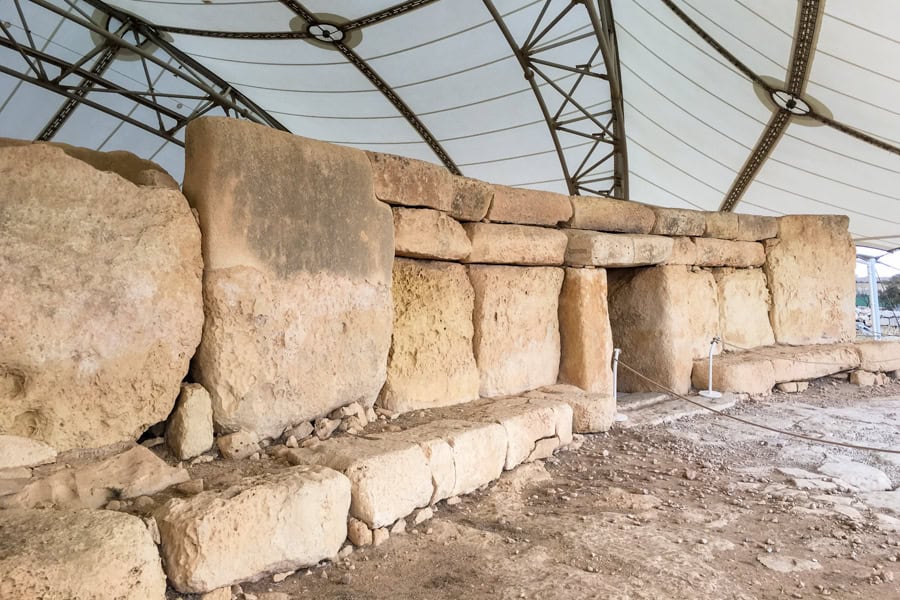
9. Stand among the world’s oldest free-standing monuments at Ħaġar Qim and Mnajdra
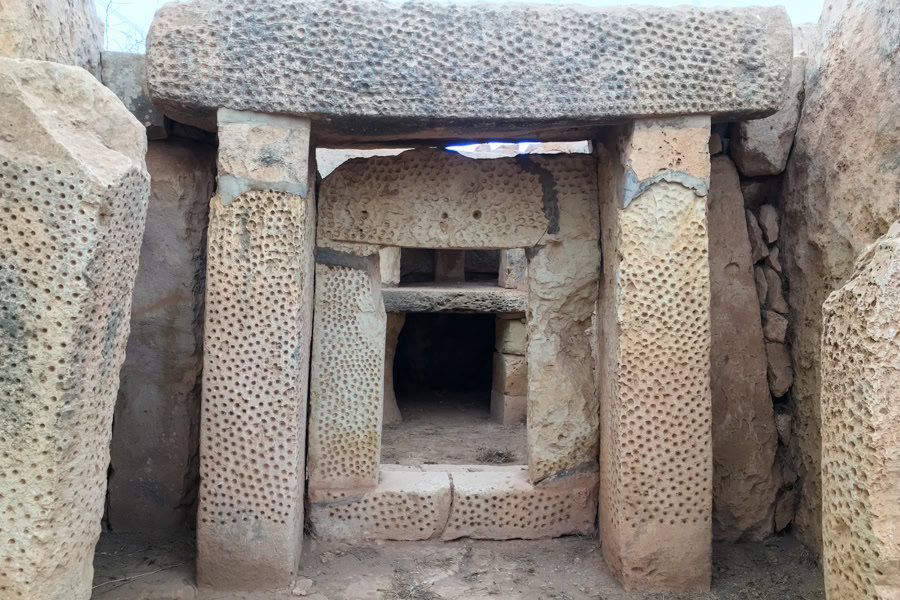
Enigmatic and enduring, Malta’s Neolithic monuments are a true feat of ancient engineering. There are around thirty of these extraordinary structures scattered across Malta and Gozo, with six temple complexes – seven temples in all – designated World Heritage.
In our opinion, all of Malta’s UNESCO temples are worth a trip but if time is limited and you need to be selective, then we highly recommend Ħaġar Qim and Mnajdra Archaeological Park. With their dramatic clifftop setting overlooking the Med, this is our favourite of the temple sites and for us, an absolute must when visiting Malta.
Built around 5,000 years ago and rediscovered in the early 19th century, not much is known about the builders of these elegant temples. What remains, however, is testament to an ancient people who were highly skilled architects, engineers, builders and artists. Astronomers too: the Mnajdra temple is precisely aligned so that certain parts are illuminated during the solstice and equinox.
A wander through the temples reveals elaborate porthole doorways, large altars, decorative carvings and pitted dot designs, and curious oracular niches. At Ħaġar Qim, look out for the giant, 60 tonne stone in the façade – the largest found in any of the temples.
Know before you go: Ħaġar Qim and Mnajdra Archaeological Park is open daily from 9am to 7pm (check times during low season) and costs €10 for adults. Tickets can be booked online or at the site. There’s a visitor centre and you can download a free audio guide to your phone.
Getting there: The nearest village to the archaeological park is Qrendi. Public bus routes 74 and 201 stop at the Hagar bus stop, a couple minutes’ walk from the site. If you’re driving, there’s free parking at the site.
10. Watch the sun set from Malta’s highest point at Dingli Cliffs
The dramatic Maltese coast is a natural highlight of all three islands, and one of the most impressive stretches is the windswept heights of Dingli Cliffs in the south-west of the main island.
A dramatic wall of white limestone, the Dingli Cliffs rise 250 metres above the sea, marking Malta’s highest point and serving up some of its most epic Mediterranean panoramas.
This stretch of cliffs makes our cut of best things to do in Malta as it’s one of the top spots on the main island to watch the sun set, though it’s speccy at any time of day.
From the tiny, 17th century St Mary Magdalene Chapel, a pedestrian pathway leads off to the north-west along the clifftop. It weaves around 1.5km, past the golf ball-domed Dingli Aviation Radar and on to Bobbyland Restaurant, a rustic little eatery overlooking the sea.
For great views of the cliffs themselves, head to the Dingli Cliffs Viewpoint (Google Maps). It’s around a 2km walk to the south-east of the chapel along the Triq Panoramika and then down a path next to the Zuta bus stop.
Getting there: There are buses from Valletta and Rabat to the Dingli Cliffs area: the 201 bus makes stops along the Triq Panoramika road. If you’re coming by car, there are layovers along the Triq Panoramika where you can pull in for photos, as well as a small parking area in front of St Mary Magdalene Chapel.
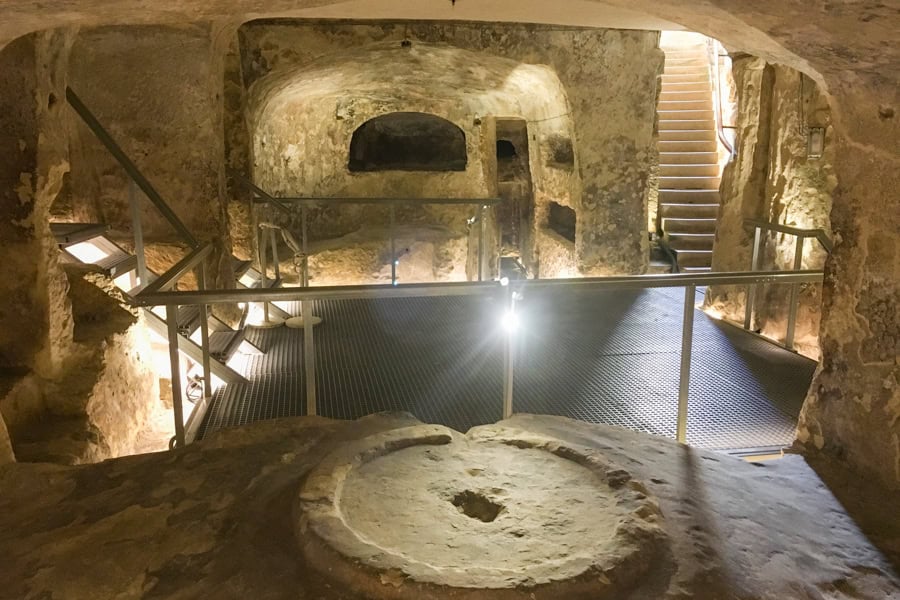
11. Venture into a subterranean necropolis at St Paul’s Catacombs
From around the 4th century BC and for some thousand years after, residents of the ancient city of Melite – what is now Rabat and Mdina – buried their dead in an ever-expanding network of underground chambers outside the city walls.
Today, there are more than 30 burial networks within this area, and several can be explored, including the catacombs of St Cataldus and St Agatha.
The largest and arguably the finest, however, is St Paul’s Catacombs and we highly recommend a visit to this vast and fascinating complex of subterranean passages, niches and chambers.
Grab an audio-guide and look out for the column-adorned halls, faded frescoes, and circular ‘tables’ carved out of the living rock, where families could gather and feast in memory of their loved ones. The tombs may be empty these days, but this remains one of the most eerily compelling places to go in Malta.
Know before you go: St Paul’s Catacombs are open seven days a week between 9am and 7pm (check opening hours if you’re visiting out of peak). Entry is €6 for adults.
Getting there: St Paul’s Catacombs are located on Bajjada Triq Sant Agata in Rabat, around 5 minutes’ walk from the bus interchange near the gateway to Mdina. Public buses service Rabat/Mdina from various places on the island, including Valletta, Sliema, Bugibba and the Airport. If you’re driving, look out for street parking or head to one of the parking lots near the Domus Romana and Mdina Gate.
Top Tip: Between Mdina and St Paul’s Catacombs on Triq St Pawl, there’s a hole-in-the-wall bakery called Is-Serkin – Crystal Palace Bar.
It was recommended to us by friends and is definitely worth a pit stop for a traditional savoury Maltese pastizzi stuffed with mushy peas, chicken or cheese – delicious!
In fact, this should probably be a bonus entry all its own; munching on pastizzi is, after all, one of the best things to do in Malta. A pastizzi (or two) a day…
12. Glimpse the past lives of the Roman elite at Domus Romana
In 218BC, the Romans wrested Malta, then called Melite, from the Carthaginians and went on to rule the islands for the next 750 years. Their capital, also called Melite, was in the area where you’ll now find Mdina and Rabat.
This is the context for the Domus Romana: the remains of an aristocratic Roman home built sometime in the 1st century AD, now tucked between two modern roads and a roundabout separating the two cities.
While little remains of the house itself today, the mosaic floors of the peristyle courtyard and its surrounding rooms have somehow survived the ages largely intact. These elaborately decorated pavements are now renowned as some of the oldest and best preserved in the region, making this a worthy addition to your Malta sightseeing.
The excavated house is a museum where you can see the mosaics in situ, along with artefacts, statues and cemetery sarcophagi found at the site.
Know before you go: The Domus Romana is open Tuesdays to Sundays, 9am to 5pm, from March to October (check the Malta Heritage website for opening times if visiting in low season). Adult tickets are €6.
Getting there: The Domus Romana is in Rabat, virtually next door to the main bus stops for Rabat/Mdina, with buses servicing this area from various spots including the airport, Valletta, Sliema and Bugibba. There’s a small parking lot at the Domus Romana, otherwise look for street parking or one of the Mdina parking lots.
13. Immerse in the tranquillity of Mdina, the ‘Silent City’
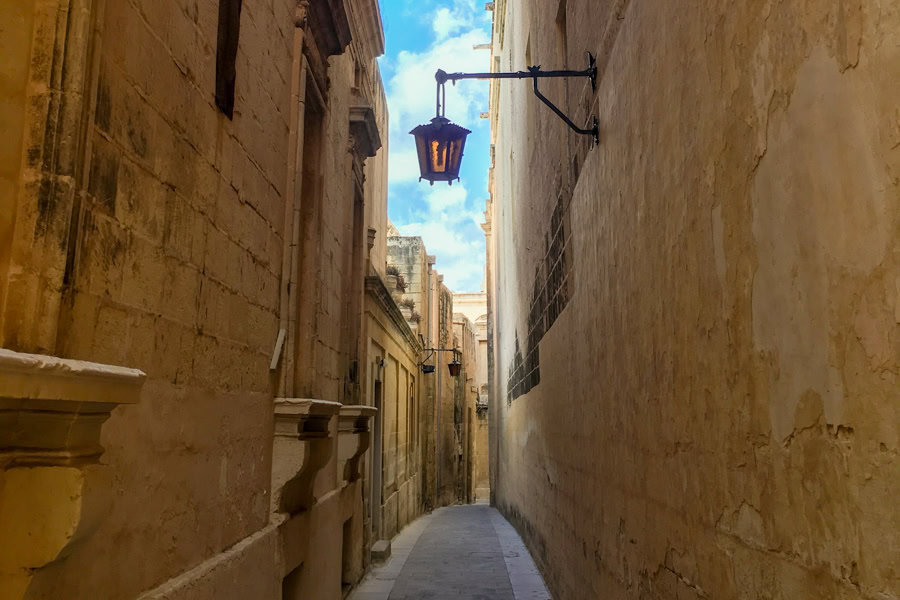
Magical Mdina, the ‘Silent City’, is Malta’s antidote for the bustle of its capital and surrounds. For us, this is one of the most ambient historical sites in Malta.
Rising above the surrounding landscape in the heart of Malta’s main island, Mdina’s fortifications span thousands of years, offering intriguing clues to settlements dating as far back as the Phoenicians and Romans.
Today, the winding lanes are lined with medieval buildings made of buttery limestone that buffer the city from the noise of the outside world. It’s an enchanting place to simply wander, and best visited early morning or evening.
Start at Vilhena Gate (also known as Mdina Gate), the Baroque entryway to the city, and stroll down Villegaignon Street past grand houses with wrought-iron balconies and impressive door knockers. Step into St Paul’s Cathedral to marvel at its Baroque interior of frescoed ceilings and marble mosaic floors.
Poke around Palazzo Falson for a glimpse inside a medieval palace, or delve into the past at the Museum of Natural History, housed in a beautiful 18th century palace.
Leave the main street and enjoy the tranquil solitude of the side streets and chapels. Pause for a moment in peaceful piazzas like Mesquita Square (GoT fans might recognise this Kings Landing setting).
Wind up your wanders at Plaza del Bastion and the Mdina Ramparts for magnificent views from Mdina’s heights.
You can absolutely wander around Mdina at will, but if you’re interested in a deep dive into the long and fascinating story of this walled city, go with an expert. The guided walking tours below explore the city’s highlights over a couple of hours and get great reviews. One tour includes a venture into Rabat, while the other is timed to experience the Silent City as the sun sets and twilight falls.
Know before you go: It’s free to wander around the streets of Mdina but some sites and attractions have entry fees, like St Paul’s Cathedral (€15) and the museums.
Getting there: Mdina is next to Rabat in the heart of western Malta. The Rabat/Mdina bus interchange is serviced by buses from various points on the island, including bus routes 50, 51, 52 and 53 from Valletta. If you’re driving, there are a couple of car parks just outside Mdina (the city itself is largely a car-free zone), including the Saqqajja Hill carpark, and two parking lots in the southwest corner.
14. Sample Maltese wine at a vineyard or wine bar
Local wine tasting opportunities are always on our radar when we’re travelling, and Malta doesn’t disappoint: winemaking is an ancient tradition on these isles, with evidence of the practice going back thousands of years.
Today, it’s a small but growing industry, and while there is an export market, chances are you won’t readily find Maltese wine in the liquor stores at home.
Perfect excuse if you’re visiting Malta therefore to sample some local vintages, either at source in a vineyard, or as part of a wine tasting experience.
On Malta, Meridiana Wine Estate offers tours and tastings Monday to Friday at their beautifully-sited vineyard in view of the walled city of Mdina.
There are also a handful of vineyards where you can taste wine by appointment. For a bespoke tasting or a summertime picnic among the vines, check out gorgeous Ta’ Betta. Closer to Valletta, Marsovin Winery also offers a highly-rated cellar tour and tasting.
Over on Gozo, you can enjoy a tasting session and charcuterie board in stunning surrounds at Tal-Massar Winery.
If time or transport doesn’t allow a vineyard visit, you can still sample the country’s vino in wine bars and restaurants all over Malta and Gozo. Or sign up for a wine tasting experience like one of these popular activities below.
15. Mull over the mysterious Clapham Junction Cart Ruts
We reckon every itinerary should have at least one slightly offbeat entry, and searching out the country’s ancient cart ruts definitely rates as one of the more unusual things to do in Malta.
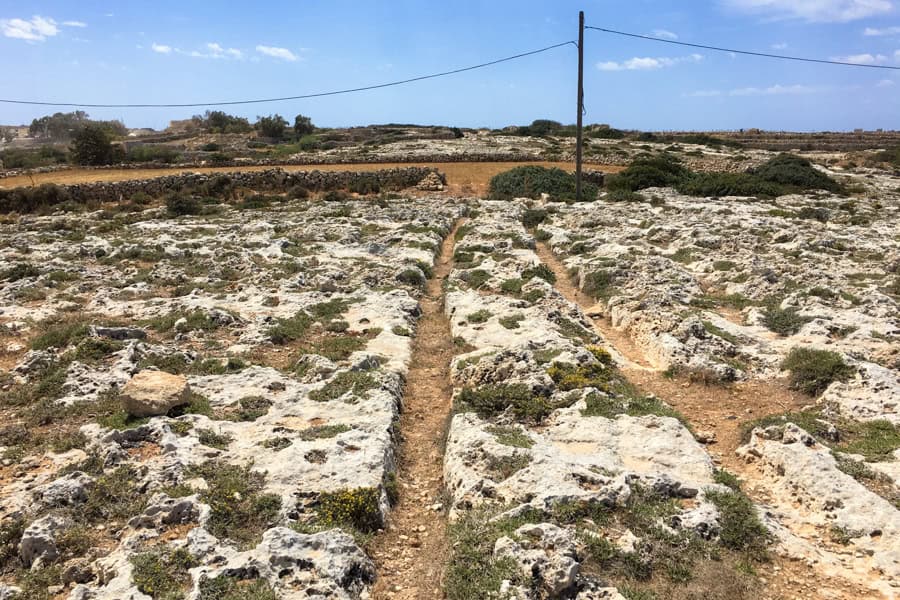
These strange sets of deep, parallel grooves carve trails through the limestone plateaus all over the islands of Malta and Gozo. Their purpose and age are still debated, but the general consensus is that the tracks were made around 4,000 years ago, during the Bronze Age, by wooden-wheeled carts weighed down with heavy stone from nearby quarries or dirt for field building.
One of the best places to see the mysterious cart tracks is at the Clapham Junction Cart Ruts site in Misraħ Għar il-Kbir, around 5 minutes’ drive or a half-hour walk from St Mary Magdalene Chapel at Dingli Cliffs.
The dense criss-cross of ancient tracks here was given the name Clapham Junction by an archaeologist reminded of London’s busy train station.
It took us a while wandering the dry rocky plain to spot the tracks; stick with it though, they’re obvious once you see them. There are also some historic cave dwellings in this area that were once home to a small troglodyte community, right up until the 19th century when they were moved out by the authorities due to poor sanitary conditions. While we didn’t go inside, the caves can be explored, just take care.
It’s also worth noting that we heard some very vocal dogs while exploring here. Just be aware there are private properties in the area; steer clear of those and stay alert.
Top tip: If you can’t get to Clapham Junction, another good spot to see the mysterious cart ruts is at Naxxar Gap (Google Maps) in Birguma on the north side of Malta.
Getting there: The Clapham Junction Cart Ruts are marked on Google Maps. From Triq Panoramika, follow Triq Inżul ix Xemx and then turn right on Limiti tal-Buskett. You’ll soon see a sign on the right for Għar il-Kbir and the cart ruts, with a couple of information panels – down this track is a parking area.
16. Wonder at the miraculous Mosta Rotunda
Dominating the small town of Mosta on Malta, the beautiful golden stone Church of the Assumption of our Lady was built in the mid-1800s. Taking its inspiration from Rome’s Pantheon, it boasts a huge unsupported dome: the third largest in the world.
What makes this vast construction even more compelling – beyond its nine-metre-thick walls and soaring roof, beyond the fact it was built around an existing 16th century church that was taken apart once the new church was complete – is the story of its miraculous survival during WWII, along with the churchgoers within.
One afternoon in 1942, a 200kg Luftwaffe bomb smashed through the dome and landed right in the middle of the congregation…without exploding. Not one person was injured.
After checking out the rotunda, enjoy a wander around Mosta’s historic centre. With less visitors than other parts of the island, Mosta offers a more local experience and atmosphere; there’s also a market on Monday mornings near the church.
Know before you go: Mosta Rotunda is an active Catholic church but it can be visited every day (afternoons only on Sundays). Entry is €5 and includes a phone app audio guide.
Getting there: The church is in the town of Mosta, which is serviced by buses from Valletta, Sliema, Bugibba and other parts of the island. If you’re driving, there’s a small parking lot next to the rotunda but if that’s full, look to the surrounding area for street parking.

17. Take in the views from the Top of the World
As an archipelago of low-lying land and gentle rises, beautiful Malta has no shortage of spectacular viewpoints, and one of the best places in Malta to visit for panoramic views is the Top of the World, a picnic area atop the 150 meter-high Ġebel San Pietru in Għargħur.
From this peaceful rise, you’ll have expansive views across the west and north of Malta to the sea, while the west-facing picnic area makes for a speccy spot to watch the sun drop over the island.
Top of the World is also a key point along the Victoria Lines hiking trail. Around the viewpoint you can see sections of the historic Victoria Lines, a 12km stretch of fortifications built by the British in the late 1800s to protect southern Malta from invasion.
Getting there: The Top of the World viewpoint is in Għargħur (Google Maps), which is serviced by bus 46 from Valletta; get off at the Bartilimew bus stop and walk around 750 metres up to the viewpoint. If you’re driving, there’s space for a limited number of cars at the viewpoint itself.
18. Get off the beaten track at Ta’ Ħarġrat Temples and Skorba Prehistoric Site
Located a little off the beaten track in Malta’s north-west sit the Ta’ Ħaġrat Temples and Skorba Prehistoric Site, both part of Malta’s World Heritage megalithic temple group.
Though smaller and minus the tourist infrastructure of the other UNESCO sites, these are among the oldest of the temple historical sites in Malta. Plus with fewer tourists and a more rural setting, they have their own special ambience.
They’re also located just 15 minutes’ walk apart, so if you’re visiting one, you may as well visit both (if you had to choose one though, go with Ta’ Ħaġrat).
The remains of the two temples of Ta’ Ħaġrat, while compact, are well-preserved and showcase the distinctive layout and skilled construction of these ancient buildings. Overlooking the countryside, it’s easy to imagine how these pale stone sanctuaries, entered via a still-standing monumental doorway, would have once stood out like a beacon in the landscape.
Very little of ancient Skorba remains apart from curved apses and some uprights, but the evidence this site has surfaced about Malta’s earliest settlers and temple builders, including stone tools, pottery and traces of prehistoric village huts, makes it incredibly significant.
Know before you go: Entry to Ta’ Ħaġrat and Skorba is €3.50 an adult for each, or there’s a €6 combined ticket available online. Tickets aren’t available at the sites, but there are some local venues in Mgarr where you can buy them – check the Heritage Malta website. Both sites are open everyday from 10am til 6pm (check opening hours if you’re visiting during the low season).
Getting there: Take the 44 bus from Valetta to Mgarr, getting off at the Mgarr bus interchange just near the Ta’ Ħaġrat Temples. It’s a 15-minute walk from the temples to Skorba. If coming by car, there’s street parking near to Ta’ Ħaġrat and space for a couple of cars next to Skorba.
19. Swim, sunbathe or hike at Comino island
Tucked between Malta and Gozo is the tiny islet of Comino, a protected area with some of the country’s most spectacular swimming and snorkelling spots. It’s also home to rugged sea cliffs and sea caves, and a collection of excellent dive sites.
Most tourists will visit Comino on a boat tour from Malta or Gozo, cruising around the island and stopping at several places during the day for some time in the water or chilling onboard. Private boats can also be arranged, or you can take a ferry and get off at the island for some independent exploration or beach time.
If you’re keen to go walking on the island, check out this 8km loop trail on AllTrails.
Comino’s most renowned site is the Blue Lagoon, a dazzling body of translucent aquamarine water. It’s one of the top attractions in Malta and draws visitors in huge numbers during the warmer months.
In fact, the intense overcrowding here had us in two minds about including Comino on this list. However, it’s worth noting that the Maltese government has in 2025 implemented a cap on daily numbers disembarking at the Blue Lagoon, along with a mandatory access pass, in an effort to protect the environment here.
There are also several other equally beautiful, slightly less busy swimming spots around the island, like Crystal Lagoon, Santa Marija Bay and San Niklaw Bay.
Tips for avoiding the Blue Lagoon crowds include visiting outside of peak season, choosing a ferry or tour that heads to Comino earlier or later in the day, or looking into trips that visit other spots on the island.
Know before you go: If you intend to get off a boat at the Blue Lagoon and go ashore, you’ll now need an access pass. Be sure to check with your tour or ferry provider whether you need to book the access pass before going or whether they include it. There’s just one hotel on the island and it’s under renovation. Camping is allowed but only at the Tal-Ful campsite near the Blue Lagoon.
Getting there: Ferries ply a route between Malta, Comino and Gozo throughout the day, departing Cirkewwa and Marfa in Malta, or Gozo ferry terminal. You can book a return to Comino from Malta or Gozo, or travel between both islands via Comino.
Alternatively, there’s a range of half day and full day group and private boat tours available. Below are some highly-rated boat tours that explore in and around Comino island, ranging from one to six hours.
20. Walk the ramparts of an ancient hilltop fortress at Cittadella
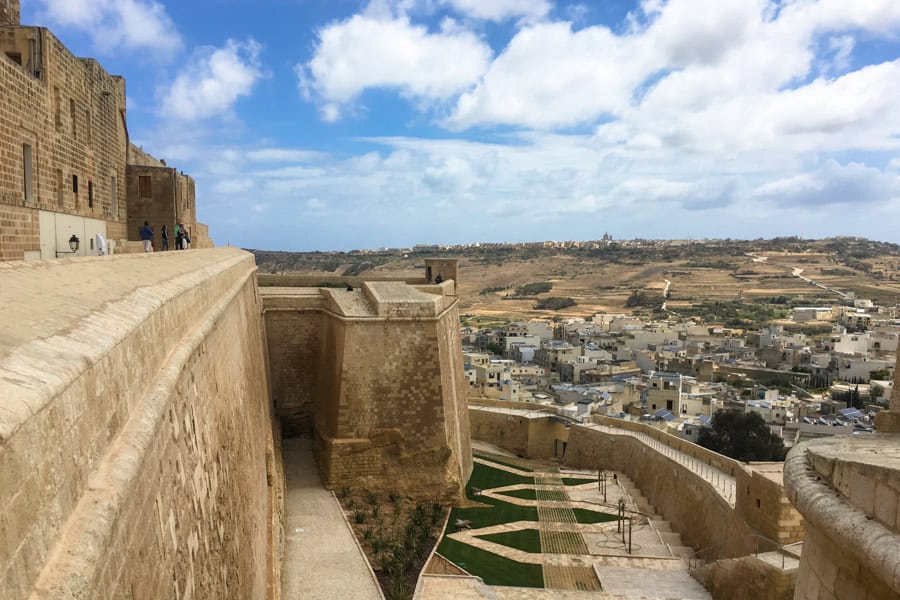
Crowning a hill at the very centre of Gozo is one of the country’s most historically powerful sites and a Malta must visit: the ancient fortress of Cittadella.
This golden-stone bastion has played a key role in Malta’s story since Neolithic times, providing protection to the Gozitan people throughout the ages. The fortifications that enclose the site today are the legacy of the Knights of St John, who strengthened the defences in the mid-16th century to protect against the Ottomans.
Tucked away within the sheer stone walls and medieval alleyways of Cittadella are several sites worth visiting, including the stunning Baroque Gozo Cathedral with its faux dome painted ceiling; the 16th century Gran Castello Historic House museum; the Gozo Museum of Archaeology; and – our personal favourite – the Old Prison.
While many might overlook this little museum, the Old Prison offers a touch of Malta’s human story over the centuries: carved graffiti covers the cell walls and common areas with pictures of ships, Christian and Maltese crosses, outlines of hands, and scratched names and dates.
Of course, the (literal) high point of a visit to Cittadella is the panoramic views from right around its ramparts, sweeping across the Gozitan countryside to the sea.
Top Tip: Head up to Cittadella earlier or later in the day. We visited while the sun was high and while still impressive, we’d love to go back and retake our pics when the light is softer. Even better, head up for sunset and then stay to walk the ramparts after dark once the daytrippers have left and the whole site is beautifully lit up.
Know before you go: You can visit Cittadella at any time for free, however the sites within the fortress have an entry fee and they’re generally open Tuesdays to Sundays from 9am to 5pm. There’s a €5 Cittadella combo ticket that will give you entry to the visitor centre and museums. Entry to the Cathedral is a separate €5.
Getting there: Cittadella is in Victoria, a short walk from the Victoria Bus Terminus. Buses service the city from all over Gozo, including the 301 bus from Gozo ferry terminal. If you’re driving, there’s a €2 parking lot at the top of the hill near the entrance to the Cittadella, and a decent-sized parking lot down next to the Victoria Bus Terminus.
21. Discover the legend of the giant-built temples at Ggantija
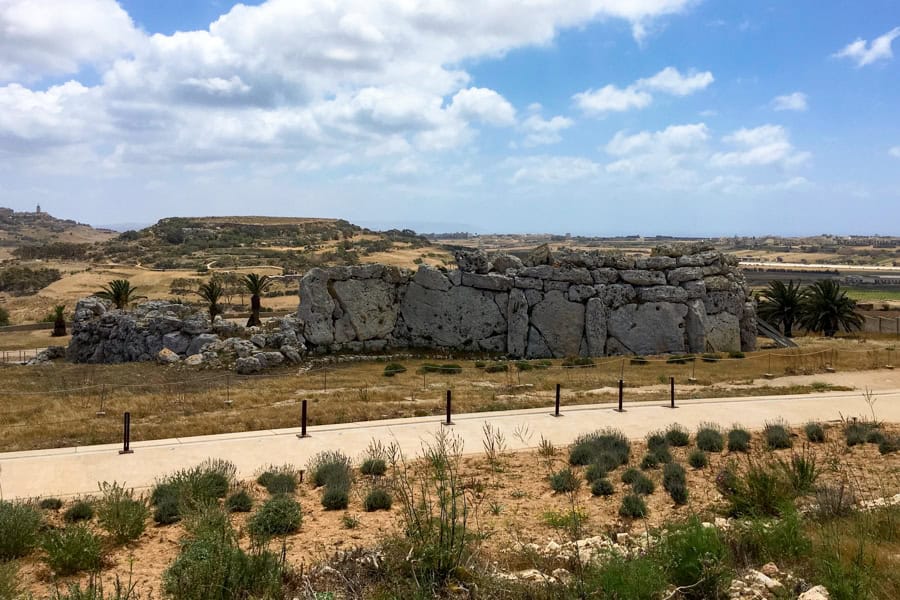
Malta’s World Heritage megalithic temple sites mostly scatter the main island, but Gozo is also home to one of these extraordinary UNESCO temple complexes: Ggantija Archaeological Park.
The Ggantija temples are among the world’s oldest, if not the oldest, free-standing structures built by man. Although according to Gozitan legend, they weren’t built by men at all, but by a giantess.
In fact, Ggantija means ‘place of the giants’, and it feels entirely fitting when you stand in front of the two enormous, weathered stone temples here.
The Ggantija temples are heavily weathered but given their astonishing age, it’s amazing they’re still standing in any condition at all. They were also built without metal tools, wheels or mortar; a mind-blowing achievement in the face of the colossal stones carved, shifted and lifted for this build.
There’s a powerful sense of the ancients about this place, a feeling enhanced by the siting of the temples on a hill overlooking the Gozo countryside.
Ggantija is one of the most important historical sites in Malta and we definitely recommend a stop here if you’re already on Gozo or heading over for a day trip where it can be combined with other sites.
Know before you go: Ggantija Archaeological Park is open every day from 10am to 6pm (opening hours may change over winter, check before you go). Entry is €10 for adults.
Getting there: Bus 307 from Victoria and Bus 322 from Gozo Ferry Terminal both stop close to the site. If you’re coming by car, look for free street parking around the site.
22. Witness the natural drama of Dwejra Bay, Blue Hole & the Inland Sea
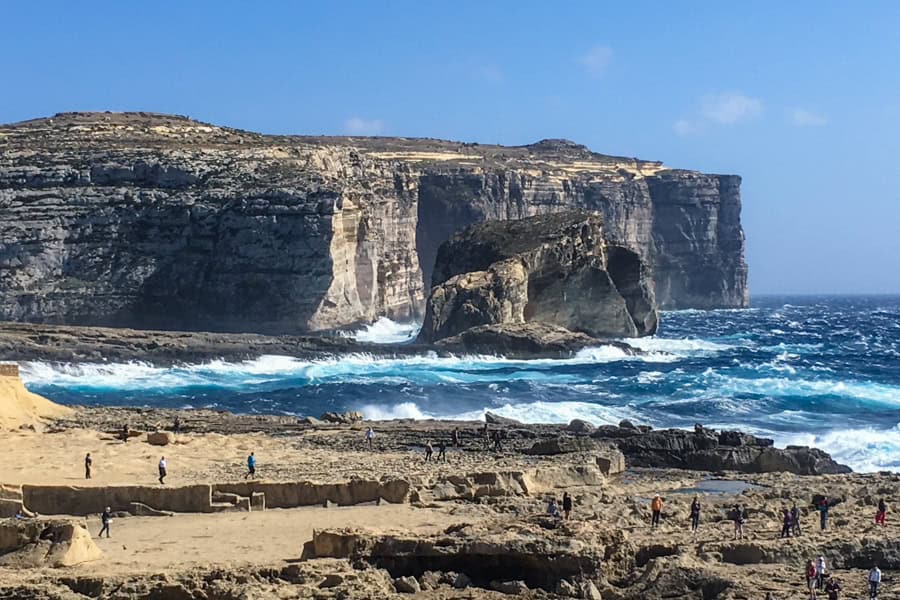
Exploring Gozo’s wild west coast is right up there as one of our favourite things to do in Malta. It’s a rugged and beautiful place, shaped by the wind and sea over thousands of years into sheer cliffs, striking limestone formations, caves, sinkholes…even an ‘inland sea’.
This stretch of coast was also once home to Gozo’s iconic Azure Window, backdrop to Dothraki weddings and one of Malta’s most iconic natural sites until storms brought down the huge stone arch and pillar in 2017 (not too long after we scuba dived under its impressive span!).
The sea may have claimed the Azure Window but the loss hasn’t impacted the raw and powerful beauty of this coastal landscape, and it’s still a magical place to explore, both above and below the water.
Go for a wander along the rocky ledges along the coast here and take in the expansive views towards Dwejra Bay, with its dramatic cliffs and the squat outcrop of Fungus Rock.
Tucked into the cliffs here, you’ll also find the Blue Hole, a natural sinkhole connected to the sea via an underwater archway. This was a highlight scuba dive for us, but it’s deep, clear depths can also be viewed from the cliffs above (on a good day).
Not far from the Blue Hole is the Inland Sea, locally known as Il-Qawra. Less ‘sea’ and more ‘lagoon’, this sheltered natural saltwater pool is fed by the open sea through a tunnel in the backdrop cliffs. It makes for a pleasant swimming spot and for €5 you can board a boat for a 15-minute tour through the tunnel and along the impressive cliffs on the sea side.
While the Azure Window is no more, Gozo has another impressive rocky frame to peer through on the other side of the island: Wied il-Mielaħ.
Getting there: Bus 311 travels from Victoria to the Dwejra bus stop near the Blue Hole and Inland Sea. If you’re driving, there’s a smallish free parking area near the Blue Hole and Inland Sea, and another open parking area nearby.
Day tours of Gozo
The day trips below get you out and about exploring Gozo’s highlights by tuk tuk, jeep or quad bike – they’re all very popular and get great reviews.
If you aren’t staying on Gozo, or time is short, or if you’d just rather have someone else sort out the logistics of getting around to sites on the island, there are a range of organised tours available that will give you a taster of Gozo and showcase its best locations.
23. Wind down the day at the Sanap Cliffs
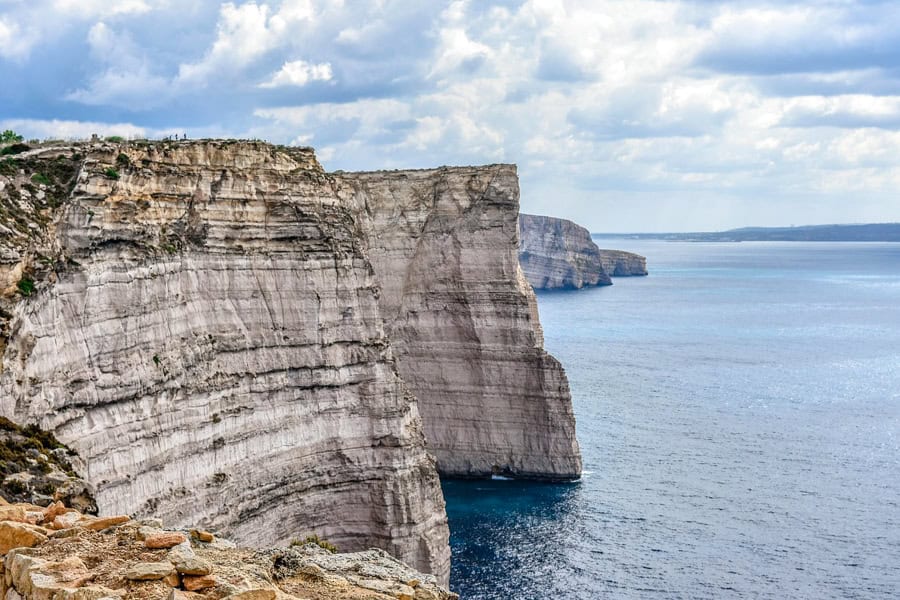
When it comes to top places to visit in Malta and Gozo for a hike or a clifftop sunset, we’ve got Malta’s Dingli Cliffs covered. For Gozo’s premier clifftop sunset spot though, head to Sanap Cliffs.
This gorgeous rise of pale limestone sweeps away east from the village of Xlendi around to the Ta’ Ċenċ Cliffs (also a speccy area for sunset) near Mġarr-ix Xini.
There’s a paved walkway along the clifftop here, serving up plenty of spots to settle in with panoramic vistas and watch the sun drop.
The Sanap Cliffs are also part of one of Gozo’s best hikes, so if you’re keen to stretch your legs, park up in Xlendi and head out along the coastal trail via the 17th century Xlendi Tower and on to the cliffs.
You can turn around and come back whenever you feel like it, or continue on to the Ta’ Ċenċ Cliffs. Alternatively, head inland to Sannat and loop back around to Xlendi on a longer hike through the countryside.
Getting there: Take bus 305 from Victoria and get off at one of the bus stops in Sannat or Munxar, then make your way to one of the trails leading to the coastal walk.
If you’re driving, make your way towards to the Sanap Cliffs map point (Google Map) and you’ll come to a narrow road that ends with space for a couple of cars. Otherwise you’ll need to find roadside parking. Be aware it can get busy at sunset and it may be a challenge to find somewhere to park. An alternative is to use the free carpark in Xlendi and walk the coastal path.
24. Peer into a canyon carved by the sea at Wied il-Għasri
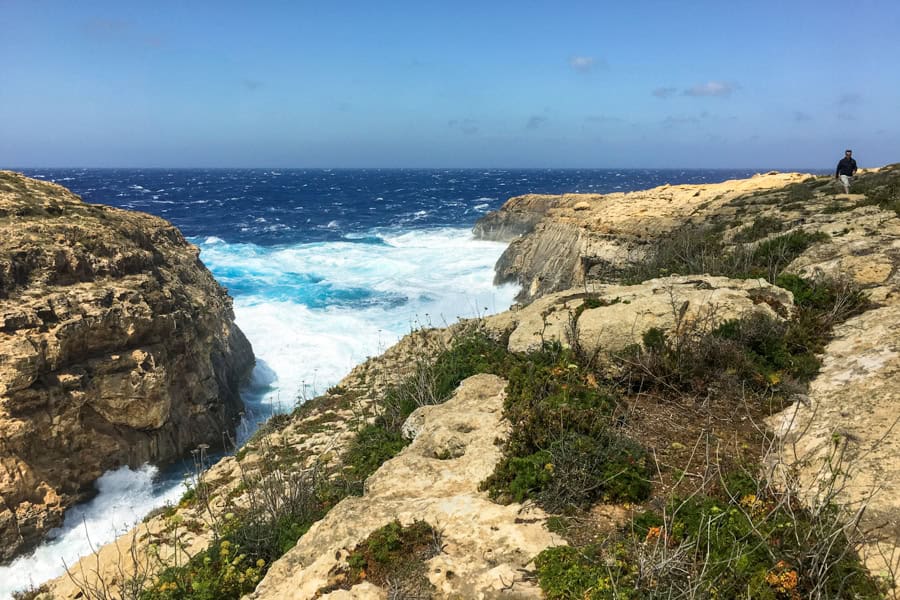
On Gozo’s rugged, northern limestone coast, the sea has scoured a deep and narrow crevasse into the island. This snaking canyon is Wied il-Għasri and it’s yet another wonderful place to immerse in Gozo’s natural coastal drama.
Wied il-Għasri winds inland several hundred metres from the sea to a slip of pebble beach, which can be reached by a winding set of stairs carved into the rock face. On a calm day, the waters of the gully are tranquil, clear and perfect for swimming.
There are also several walking trails around the canyon and along the coast in both directions, taking in the fascinating geology and historic sites of the area, including ancient saltpans and Xwenji Rock to the east, and the Wied il-Mielaħ natural window to the west.
We walked the coastal cliffs around Wied il-Għasri on a wild, windy day as waves pounded the cliffs below, and while we weren’t able to access the beach, we loved every second of our sea-spray-drenched experience here.
Know before you go: The best time to hike in this exposed area is over the cooler months. Like many places, the beach can get very busy in spring and summer, so if you’re visiting Malta then, try and arrive earlier in the day.
Getting there: The nearest village to Wied il-Għasri (Google maps) is Zebbug. Car is the easiest way to reach the canyon; there’s parking at the top of the cliffs near the staircase down to the beach. The nearest bus stop to the site is the Onici bus stop in Zebbug, which is on the 309 bus route from Victoria. You’ll need to walk around 1km from the bus stop.
25. Explore Malta’s underwater world on a scuba dive
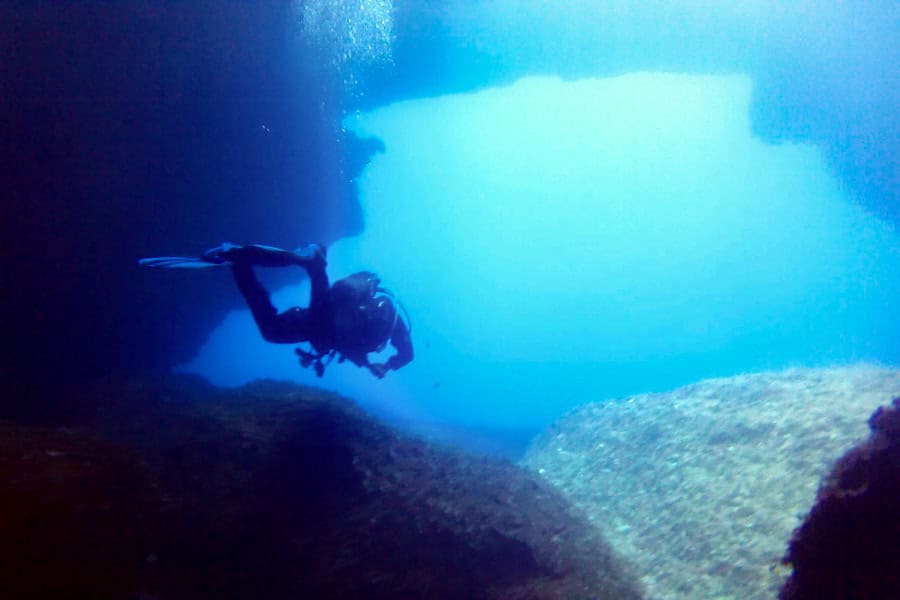
Beautiful Malta’s bays and beaches are fantastic for swimming and snorkelling, but Malta is also a regular turn-up on lists of best diving spots in Europe. In fact, the chance to dive here was one of the reasons that first brought us to the archipelago.
The waters here are incredibly clear and there are fantastic underwater landscapes to navigate: sea caves, drop-offs, boulder fields and the famous Blue Hole.
There are also a range of wrecks that can be dived, including a British naval vessel, a twin-engine bomber plane, scuttled patrol and tug boats, ferry boats, even a massive oil tanker, the Um El Faroud.
In fact, there are more than 70 official dive sites around the islands, and dive centres cater for all experience levels so if you’re after some adventure, we rate diving as one of the most exciting things to do in Malta. We dived with Bubbles Dive Centre and we highly recommend them.
Useful Travel Resources for Malta
Heritage Malta: This is the national agency responsible for much of Malta’s historic sites, natural highlights and World Heritage. It’s a great go-to for information about many of the sites on our list of top things to do in Malta, including opening hours, access and entry fees. You can also buy tickets to most sites online through this portal.
Malta Multi Passes: A great way to save euros while seeing as much as you can in Malta is to buy a multisite pass. Heritage Malta offers a multisite pass that includes entry to around 25 sites across Malta and Gozo (including many of the heritage sites on our list), which is valid for 30 days. There’s also a family pass and a Gozo-specific combo ticket.
Bus Travel: Malta’s public bus network is extensive and can be a low-cost way to get around the islands, provided you factor in timetables, regularity of services, travel times, and extra waits during peak periods when buses may be full (we experienced this on several occasions). You can buy tickets on board with cash or contactless card or, if you plan on using the bus a lot during your trip, save money with a tourist travel card. Plan your journey and find out about fares and travels cards at Malta Public Transport.
Car Rentals: We personally prefer the freedom of our own wheels when we travel and we hired cars on both Malta and Gozo to max our sightseeing time on each island. DiscoverCars is our go-to car hire provider, with great rates and free cancellation should plans need to change. Booking your car rental in advance for Malta and/or Gozo will get you the best rates and widest choice of vehicle.
Ferries between Malta and Gozo: There are a couple of companies plying the waters between Malta and Gozo daily. Check out Direct Ferries for tickets with Gozo Highspeed. Another operator is Gozo Channel.
Stays: We use Booking.com for our stays while travelling as there’s a huge choice of accommodation on offer through the platform. You can also get discounts and other benefits through their Genius loyalty program.
Airport Transfer: We tend to book an airport transfer in advance when we arrive in any new city – it just takes the hassle out of getting to our stay while we’re toting all our luggage. Welcome Pickups operates in hundreds of destinations around the world, including Malta.
eSIMs: We find having access to mobile data on the go can make navigating, booking tours, planning (and staying in touch with home) way easier than relying on wifi alone, or spending a small fortune on global roaming. Our preferred international eSIM provider is Airalo and they have a range of packages for Malta.
Tours: A great option for finding local tours all around the world is GetYourGuide. It pulls together tour operators from around Malta and Gozo and right across the experience offer, from guided walking tours and cooking classes to boat trips and quad biking adventures. We’ve included a range of tour options throughout this post for tours on Malta and Gozo but there are many more on the platform, including full day and multi-day tours that take in the main sites on the islands.
We hope our round up of 25 of the best things to do in Malta has given you some inspiration for your travels in this wonderful country. If you’ve got any comments or feedback, drop us a message in the comments below!
What a write-up! It’s so exciting re-exploring places we’ve travelled to through your creative eyes … and, likewise, reading about new places for the bucket list! Keep it coming! Oh – and let me know when you’re happy for me to share your blog with friends & family
Thanks so much Gill, we’ve always enjoyed swapping travel tales with you guys! Very happy for you to share the blog, please do!